
Burglaries continue to impact households across Ireland each year, particularly during darker evenings, holiday periods, and times when homes appear unoccupied. Understanding how a burglar alarm works, what components it includes, and how it helps protect a home allows homeowners to make more confident decisions about their security.

This guide explains how burglar alarm systems function and why they are an effective part of modern home protection.

How Burglar Alarm Systems Work: Quick Overview 

 
  • Burglar alarms use motion sensors, door and window sensors, and a control panel to detect intrusions

  • When triggered, a monitored alarm alerts a 24/7 response centre within seconds

  • Professional monitoring means someone acts even if you miss the alert

  • Visible alarm signage and external sirens actively deter burglars before entry

  • PhoneWatch systems use encrypted wireless communication and do not require a landline

  • Homes without monitored burglar alarms are consistently more vulnerable based on Irish burglary trend data 


 Understanding Burglaries in Ireland

 At PhoneWatch, we analyse burglary trends annually in our national burglary report and our 10-year Ireland crime statistics analysis, identifying long-term patterns, seasonal peaks and behavioural insights that help homeowners better protect their properties.

Burglary is rarely random. It is often opportunistic and preventable.


What Our Burglary Report Shows About Irish Homes

Our latest findings highlight:

  • The most common entry points are through the front and back doors

  • Burglars target homes without visible deterrent, ie an alarm sign outside

  • There is increased activity during winter months

  • Repeat activity within the same neighbourhood

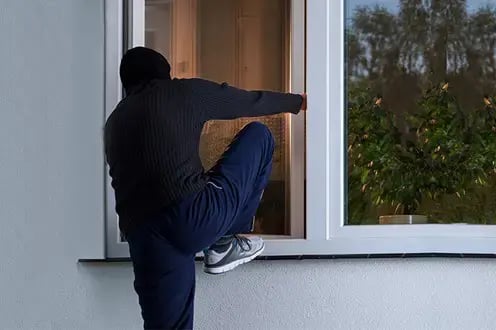
  • Opportunistic entry often happens through unlocked windows

Homes without monitored alarm systems are consistently more vulnerable. Understanding trends is important, but prevention is critical.

Why Do Burglars Target Certain Homes?

Burglars typically look for:

  • No visible alarm system
  • Poor outdoor lighting
  • No security camera presence
  • Signs the home is empty

Security research across European markets shows that visible, professionally installed systems significantly reduce the risk of a burglary

Burglars actively avoid homes that look protected.

burglary-min

 When Are Irish Homes Most at Risk?

From our long-term research and burglary trend analysis, peak periods include:

  • Winter evenings

  • Long weekends,

  • Summer holiday travel periods

  • Post-Christmas season.

Homes that appear empty are at higher risk. A monitored burglar alarm ensures your home is protected even when you are not there.

Signs Your Home May Be Vulnerable

Common signs of vulnerability include:

  • No visible alarm signage
  • No monitoring signage
  • Poor perimeter lighting
  • No camera coverage
  • Delayed response capability

If you’re unsure, a professional assessment is the safest next step.

What is a Burglar Alarm?


A modern burglar alarm is a connected security system that detects intrusions and alerts you or a monitoring centre. It generally includes:

  • Motion sensors
  • Door and window sensors
  • A smart control panel
  • Alarm sirens
  • Mobile app control
  • External alarm signage
burglar-breaking-into-house-through-window copy

How sensors detect intruders

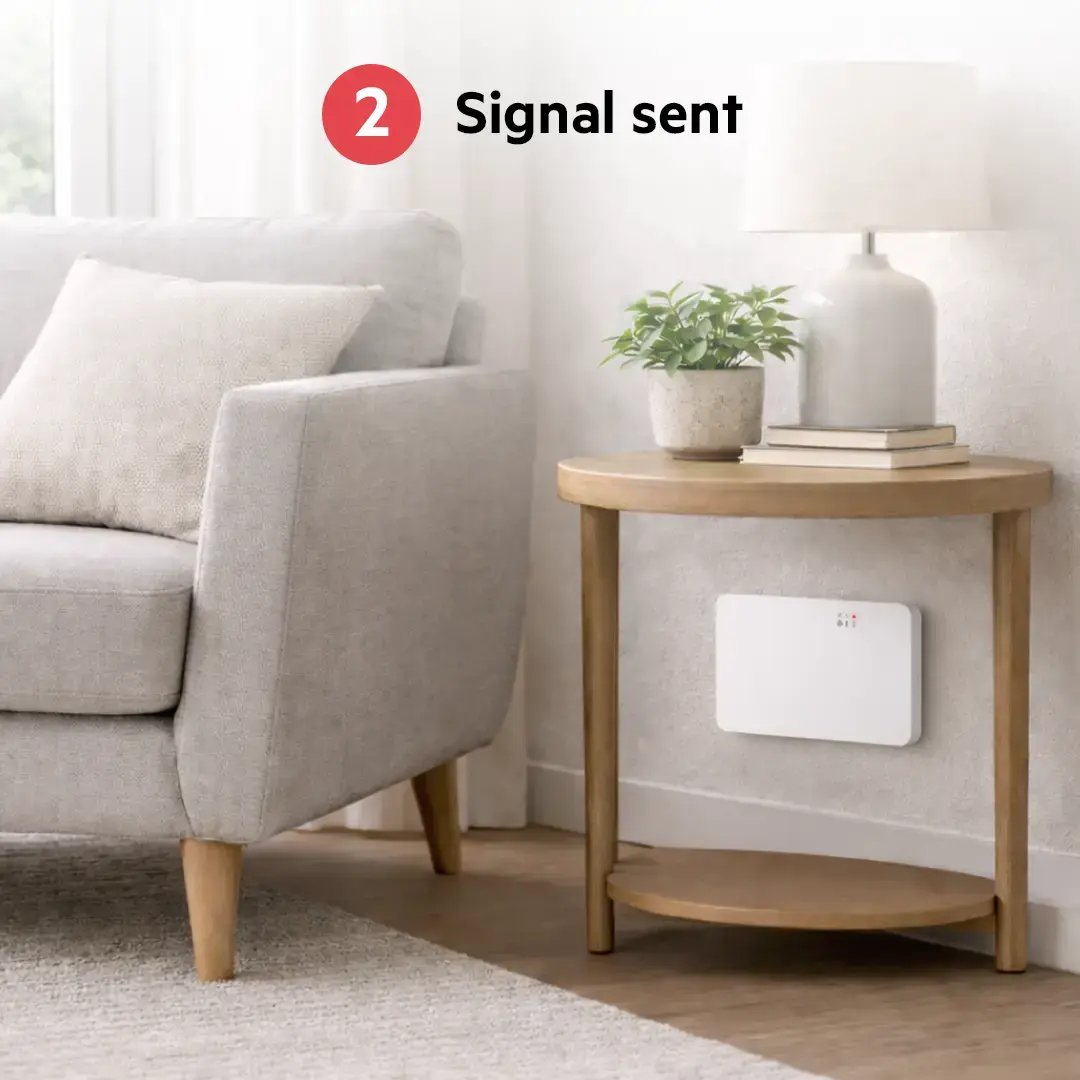
Sensors work by monitoring movement, vibration or entry points. When triggered, they send a signal to the control panel.

How alarm alerts and communication work

When the system detects unusual activity, it activates the siren and sends an alert through cellular or broadband communication. Modern systems do not require a landline.

motion-detector

Why 24/7 Monitored Burglar Alarm Is Critical

A self-installed alarm may notify your phone but several factors can delay your response. For example:

  • You’re asleep?
  • You’re on a flight?
  • You miss the call?
  • Your phone battery is dead?
monitor-and-chat-from-one-camera

What happens when an alarm is triggered

A typical monitored alarm process includes:

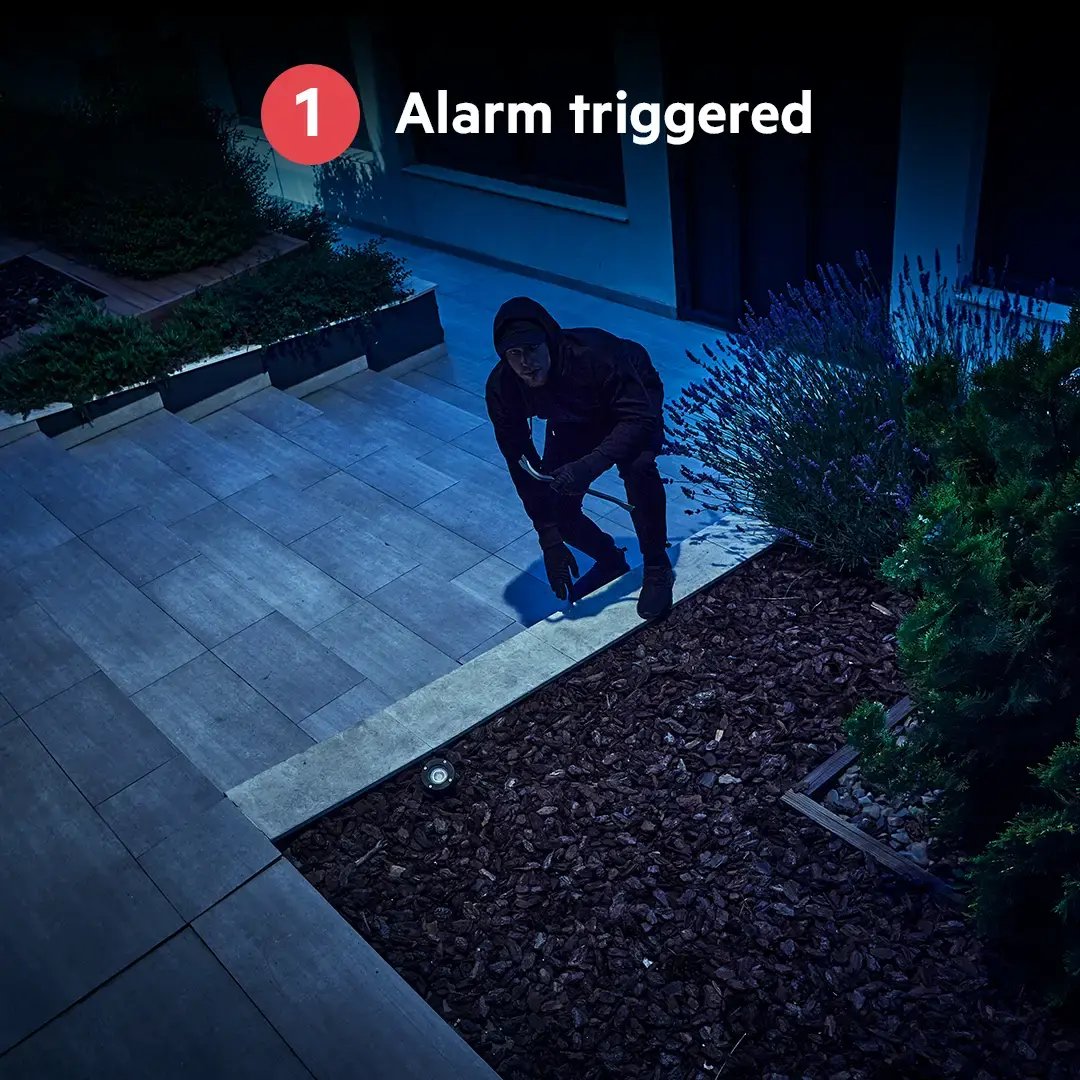
  1.  A sensor detects movement or a forced entry

  2. The system activates the siren

  3. The monitoring centre receives the alert
  4. The event is verified
  5. The homeowner or keyholder is contacted
  6. Emergency services are notified if required

env-arc-operator-rs

How Does a Burglar Alarm System Work?

Intruder entering a garden at night triggering a home burglar alarm system.
Burglar alarm control panel sending an alert signal from inside a living room.
PhoneWatch monitoring team reviewing an alarm alert on multiple screens.
Garda car responding after a verified burglar alarm activation in Ireland.Garda car responding after a verified burglar alarm activation in Ireland.

How Do Burglar Alarms Compare to Other Security Options?

Homeowners often ask whether they should install CCTV, smart cameras, or a DIY system instead of a monitored alarm.
Each solution plays a role , but not all provide the same level of prevention or response.


Feature

  • Monitored Burglar Alarm

  • CCTV System

  • Security Cameras

  • DIY Alarm System

  • Detects intrusion automatically
    • ✔ Yes

    • ❌ No (records only)

    • ⚠️ Motion-based alerts

    • ✔ Yes

  • Professional monitoring
    • ✔ 24/7 monitoring centre

    • ❌ No

    • ❌ No (self-monitored)

    • ❌ Usually self-monitored

  • Emergency response coordination
    • ✔ Yes

    • ❌ No

    • ❌ No

    • ❌ No

  • Visible deterrent
    • ✔ External siren & signage

    • ✔ Visible cameras

    • ✔ Visible cameras

    • ⚠️ Limited

  • Real-time alerts
    • ✔ Yes

    • ⚠️ If monitored

    • ✔ Yes

    • ✔ Yes

  • Evidence recording
    • ⚠️ Optional with cameras

    • ✔ Yes

    • ✔ Yes

    • ❌ Usually no

  • Professional installation
    • ✔ Yes

    • ✔/⚠️ Depends

    • ❌ Usually self-installed

    • ❌ Self-installed

  • Designed to prevent burglary
    • ✔ Yes

    • ⚠️ Acts as deterrent

    • ⚠️ Acts as deterrent

    • ⚠️ Limited

What This Means in Practice

  • CCTV systems are strong for recording evidence but do not actively prevent or coordinate emergency response.
  • Smart cameras provide app notifications but rely entirely on the homeowner to act.
  • DIY alarms may trigger a siren but typically lack professional monitoring.
  • Monitored burglar alarms are designed to detect, verify, and respond, not just record.

The key difference is not only detection — it is response.

Why Choose PhoneWatch for Burglar Alarms in Ireland?

When selecting a home security provider, reliability and experience matter. PhoneWatch offers:

  • Professionally installed wireless alarm systems
  • 24/7 monitoring centre
  • Smart mobile app control
  • External deterrent systems
  • Security expertise built on years of protecting Irish homes

Our systems are designed specifically for Irish homes and risk patterns identified in our national burglary research.

Protection should be proactive, not reactive.

Learn more about choosing the right burglar alarm system

FAQs about How Burglar Alarm systems Work in Ireland

What is a burglar alarm and how does it work?

A burglar alarm is a security system designed to detect unauthorised entry into your home, triggering an alert and notifying a monitoring centre. Sensors on doors, windows, motion detectors and smart controls work together to detect potential break-ins and instantly alert you and your monitoring team.

Do burglar alarms really prevent burglaries?

Yes. Burglar alarms act as both a deterrent and a detection tool. Homes with visible, professionally monitored alarm systems are statistically less likely to be targeted by burglars because the risk of detection and response is higher.

What is the difference between a monitored and self-monitored alarm?

A monitored alarm sends alerts directly to a professional monitoring centre like PhoneWatch’s Alarm Receiving Centre, which verifies alarms and contacts emergency services if needed. A self-monitored alarm only notifies the homeowner, who must then take action.

Can I have a burglar alarm without a landline?

Yes. Modern alarm systems can operate without a landline using cellular or internet-based communication, maintaining reliable monitoring and alerts even if your phone line changes.

Does having a burglar alarm affect my home insurance?

Most insurers offer discounts or lower premiums for professionally installed and monitored burglar alarms, as they reduce the likelihood of loss from burglary. Always check your insurer’s specific policy requirements.

Can burglars disable alarm systems?

Sophisticated burglars may attempt to tamper with systems, but monitored alarms, especially those with encrypted wireless signals and professional monitoring are far harder to bypass than older, unmonitored systems. Choosing a high-quality system and professional installation significantly reduces this risk.

Are wireless alarm systems reliable for home security?

Yes - modern wireless alarm systems are encrypted, secure and can be just as reliable as wired systems. They are easier to install and often offer more flexibility, especially in existing homes.