

An alarm system is made up of sensors, a control panel, and a communication link that sends alerts to a monitoring centre or to the homeowner. Modern alarm systems in Ireland use encrypted wireless communication, battery backup, and smart controls to keep homes protected.
Understanding how a home alarm system works can help you choose the right protection for your home. This guide explains how alarm systems work, the components involved, and why professional monitoring makes a difference.
Quick Facts: How Alarm Systems Work
-
A home alarm system uses sensors, a control panel, and a monitoring link to detect and respond to threats
-
Modern systems protect against burglary, fire, smoke, and water leaks, not just intrusion
-
When triggered, a professionally monitored alarm alerts a response centre within seconds
-
PhoneWatch systems use encrypted wireless communication and include a battery backup
-
The PhoneWatch app lets you arm, disarm, and monitor your system from anywhere.
What is an Alarm System?
An alarm system is a security system designed to protect your home and family from:
- Burglary and intrusion
- Fire and smoke
- Water leaks and flooding
- Emergency situations
Most modern alarm systems are wireless, smart, and connected to a 24/7 monitoring centre; meaning they don’t just sound a siren. They trigger real human response.
A typical system includes:
- Security sensors
- A central control panel
- Optional security cameras
- A mobile app
- 24/7 professional monitoring
Today’s alarm systems combine detection, communication, and real‑time alerts to provide more comprehensive protection than traditional siren-only alarms.

How Do Modern Alarm Systems Work?
Most alarm systems operate in four key stages: detection, signal transmission, verification, and notification. Here’s a clear, step‑by‑step overview of what happens when an alarm is triggered.
Step 1: Detection
Security sensors installed throughout your home detect:
- Movement inside rooms
- Doors and windows opening
- Smoke and heat
- Water leaks
- Glass break vibrations
These devices monitor your home continuously, whether you are asleep, at work, or away on holiday.
Step 2: Instant Signal to the Control Panel
When a sensor is triggered:
- It sends an encrypted wireless signal to the central control panel.
- The control panel verifies the alert.
- If confirmed, the alarm activates immediately.
Step 3: Monitoring Centre Response
If a system includes professional monitoring, the alert is transmitted to a monitoring Centre.
At that point:
- The monitoring team assesses the alert within seconds
- They attempt to contact the homeowner or keyholders
- If necessary, they request emergency services to attend
Step 4: App Notifications & Smart Control
Many modern alarm systems can be controlled through a smartphone app. Common app features include:
- Arming or disarming the alarm remotely
- Real‑time notifications
- Checking system status
- Viewing camera footage (if cameras are installed)
- Reviewing recent alarm activity
What Are the Main Components of an Alarm System?
These components are commonly found in alarm systems used in homes across Ireland.
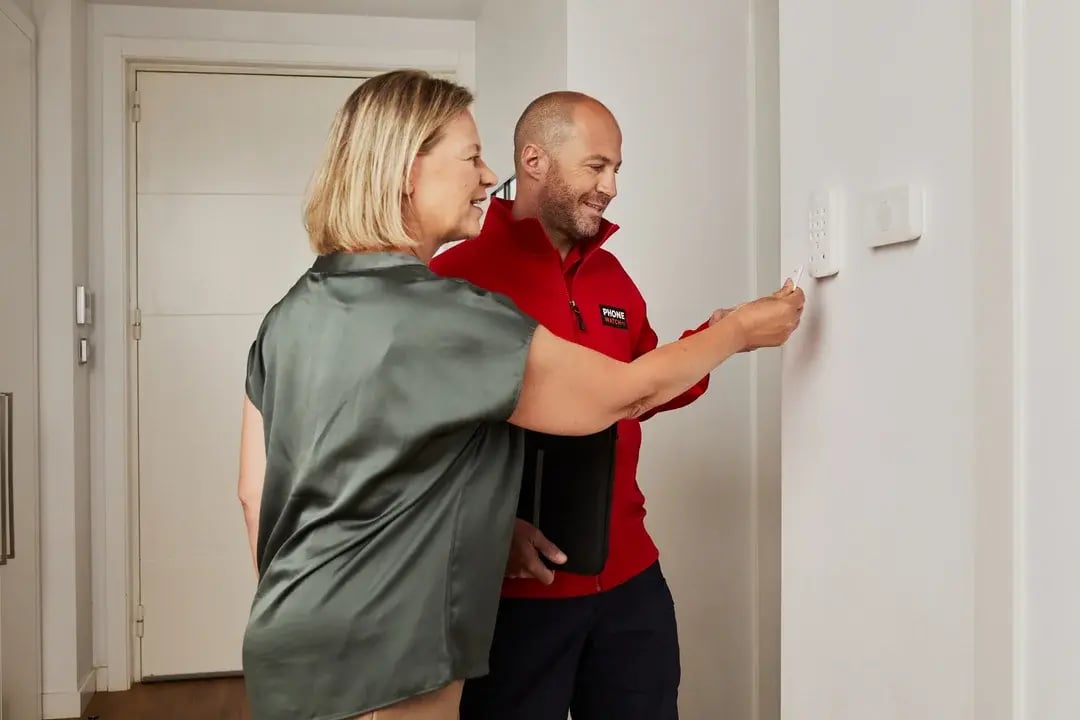
Professional installation ensures each device is placed correctly to maximise protection.
When Do You Need a Home Alarm System?
A monitored alarm system is especially valuable if:
- Your home is empty during the day
- You travel regularly
- You want protection while you sleep
- You want complete peace of mind for you and your family
- You want coverage beyond burglary (fire and water damage)
- You want immediate emergency response
Home security today protects more than a property, it protects people.
Why Choose a Monitored Alarm Instead of a Basic Alarm?
Monitored alarm systems offer benefits that basic systems cannot provide, particularly in terms of verification and emergency response.
-
Basic Alarm
-
Monitored Alarm System
-
Alert
-
Makes noise
-
Triggers professional response
-
-
Response
-
Relies on neighbours
-
24/7 trained monitoring team
-
-
Verification
-
No verification
-
Immediate contact and verification
-
-
Power Outage
-
Stops if power fails
-
Battery backup included
-
-
Maintenance
-
Self-managed
-
Continuous professional support
-
What Makes an Alarm Systems Reliable?
Reliable alarm systems usually include:
- Encrypted wireless communication
- Backup battery power
- Professional installation
- Customised system design
- 24/7 monitoring
This makes your protection:
✔ Preventive
✔ Responsive
✔ Always active
The Value of Professional Protection
An alarm system isn’t just technology it’s reassurance.
It’s feeling safe at night.
It’s confidence while you’re away on holiday.
It’s knowing someone responds immediately if something happens.
Monitored alarm systems add an additional layer of reassurance by ensuring that when an alarm activates, it’s not just a noise — it’s an actionable alert.
Why Trust PhoneWatch?
- 24/7 professionally monitored alarm systems
- Irish-based Alarm Receiving Centre
- Trusted by over 120,000 customers nationwide
- We invest in the very best in smart alarm technology
- Professionally installed and serviced by trained security experts.
- 4.9/5 stars on Trustpilot
- 4.6/5 start on Google Reviews
- 2024 Cust Experience Award winner, marking three consecutive years.
- 2024 iF Design Award
When we explain how alarm systems work, we’re not speaking theoretically, we manage alarm signals every day.

Learn more about choosing the right alarm system
FAQs about How Alarm Systems Work
A monitored home alarm system works by combining smart sensors in your home with a 24/7 professional monitoring centre.
When a sensor detects unusual activity, such as movement, a door opening, smoke, or a water leak, it sends an encrypted signal to the control panel. The alert is then transmitted instantly to PhoneWatch’s 24/7 Alarm Receiving Centre.
Our trained security professionals assess the alert, contact you to verify the situation, and if necessary, notify the Gardaí or emergency services.
This means your home is not just making noise, it is actively monitored and supported at all times.
If your alarm triggers accidentally, a professional monitoring centre will contact you or your keyholders to verify the alert before escalating to emergency services. PhoneWatch handles this verification process automatically, so a false alarm does not result in an unnecessary call-out.
Most professionally installed house alarm systems include backup battery protection, allowing the system to continue operating during a power outage. Backup duration depends on the system and configuration.
PhoneWatch systems are designed to remain operational even if mains power is interrupted.
Yes. Alarm sensors communicate with the control panel using encrypted wireless signals that do not rely on your home broadband. PhoneWatch systems include a built-in backup connection, so monitoring continues even if your internet goes down.
Modern alarm systems can be configured to reduce the risk of false alarms caused by pets.
During installation, our security experts assess your home and discuss any pets you may have. Sensors can be positioned and calibrated appropriately to minimise unnecessary activations.
Professional installation plays an important role in reducing false alarms.