


Published: March 02, 2026
by
Marguerite Cotter
As spring begins, many homeowners take time to check important household systems such as boilers, smoke alarms and outdoor lighting. One system that is often overlooked is the home alarm.
Even small issues like loose sensors, low batteries or outdated settings can affect reliability. A quick spring home security check helps ensure your alarm is ready to respond when you need it most.
This guide walks you through simple home alarm maintenance steps, common signs of problems and when it may be time to consider an upgrade.
Quick Facts: Home Alarm Maintenance
- Home alarm maintenance helps ensure your system works properly during a real emergency.
- Alarm systems should be tested regularly, not only when something goes wrong.
- Low batteries and sensor misalignment are common causes of false alarms.
- Door and window contacts should be checked for secure fitting and responsiveness.
- Motion detectors should be cleaned and tested to confirm accurate detection.
- Emergency contact details in your alarm app should be reviewed and updated.
- If your system is older or frequently triggering faults, PhoneWatch can advise whether maintenance is enough or an upgrade is needed.
- A professionally monitored PhoneWatch alarm adds human response if an alarm activates when you are unavailable.
Why Home Alarm Maintenance Matters
A well-maintained alarm system performs better in the moments that matter.
1. Reliability in real emergencies
Testing ensures each sensor is working correctly when you need it most.
2. Fewer false alarms
Many false alarms come from simple issues that can be avoided with regular checks.
3. Peace of mind
Knowing your alarm is functioning correctly gives everyday reassurance. Many homeowners also review fire safety at the same time so that intrusion and smoke detection are both covered.
4. Preventing avoidable faults
Proactive maintenance prevents small issues turning into larger failures.
Home Alarm Maintenance: Spring Cleaning Checklist
Follow this simple alarm maintenance checklist at home.
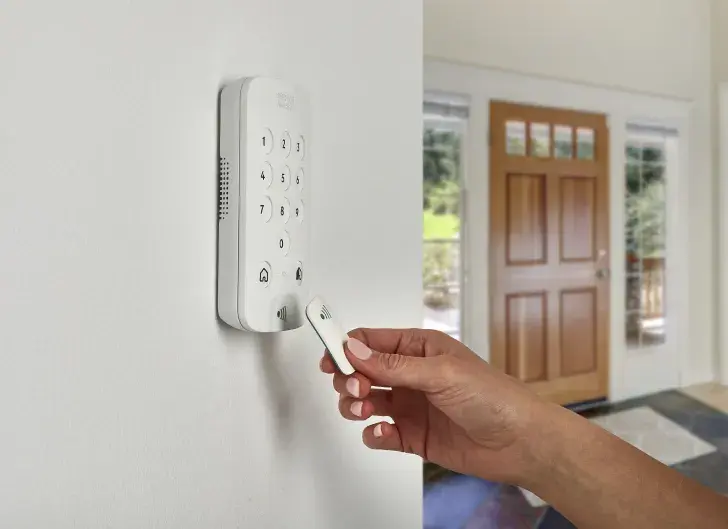
1. Test the control panel
- Run a system test
- Check for warnings
- Confirm normal arming and disarming
2. Test all door and window contacts
- Open and close each contact when the alarm is armed
- Ensure activation is confirmed
- Check contacts are securely fitted
3. Check motion sensors
- Walk through each room to trigger sensors
- Dust the sensor covers
- Confirm instant alerts on your panel or app
If you use indoor or outdoor cameras, this is also a good time to ensure visibility and clarity. You can learn more about PhoneWatch security cameras here
4. Replace batteries where required
- Check sensors, keypads and wireless devices
- Replace any older or low batteries
5. Review app notifications and connectivity
- Check that notifications are arriving
- Reconnect Wi Fi or mobile data if needed
- Confirm recent alerts were delivered correctly
- Here at PhoneWatch we do daily remote alarm health checks and can call you or send an email/SMS to alert you of any issues to review
6. Update your emergency contacts
- Remove outdated numbers
- Add trusted neighbours or family members
- Ensure contact details are accurate
7. Inspect outdoor deterrents and signage
- Check visibility on external cameras
- Clean sensors or lenses
- Replace worn signage
For a clearer view of what modern systems include today, explore the full range of alarm packages
Common Signs Your Alarm May Need Attention
Common signs include:
- Frequent false alarms
- Low battery warnings
- Delayed alerts
- App disconnections
- Sensors not triggering
If these issues continue, your system may need more than basic maintenance.
When Home Alarm Maintenance Is Not Enough
Maintenance cannot resolve every issue. You may need more support if your system is:
1. An older wired only system
Often missing modern features like app control.
2. Missing app connectivity
Real time alerts are essential for reliability.
3. Triggering repeated faults
Recurring issues point to ageing equipment.
4. Not professionally monitored
Unmonitored systems rely fully on the homeowner to respond. A professionally monitored system provides an added layer of protection. You can learn how monitoring works here.
Should You Upgrade Your Alarm System?

Consider upgrading if your alarm is:
- Over 10 years old
- Frequently malfunctioning
- Missing modern features
- Triggering ongoing false alarms
- Not monitored
If you are unsure whether maintenance will keep your home protected or if a modern system would offer better reliability, our team can help. A quick conversation can clarify whether an upgrade is the right step and what level of monitoring or support would suit your home.
Speak to PhoneWatch About Upgrading to a Monitored System
Learn More
FAQs
What is home alarm maintenance?
Home alarm maintenance involves regularly testing your alarm system, checking sensors and batteries, reviewing settings and ensuring all components are functioning correctly.
How do I check if my home alarm system is working properly?
You can check your home alarm system by testing the control panel, triggering door and window sensors, checking motion detectors and reviewing app alerts. If you are unsure whether your system is responding correctly, PhoneWatch can provide expert advice and support.
How often should I test my home alarm system?
Your home alarm system should be tested at least once a month and after replacing batteries or adjusting sensors. Regular testing helps prevent faults and reduces the risk of false alarms.
Why does my home alarm keep going off for no reason?
Frequent false alarms are often caused by low batteries, sensor misalignment, dust, pets or ageing equipment. If problems continue after basic checks, PhoneWatch can assess whether servicing or upgrading the system is recommended.
When should I upgrade my home alarm system instead of maintaining it?
You should consider upgrading if your alarm system is over 10 years old, frequently malfunctions, lacks app connectivity or does not offer professional monitoring. PhoneWatch can advise whether maintenance is sufficient or if a modern monitored system would provide better protection.