

Published: July 06, 2026
by
Marguerite Cotter
When temperatures rise, opening a bedroom window before bed can feel like the only way to get a decent night's sleep. It's a routine repeated in homes across Ireland every summer. The problem is that many people lower their guard once they're inside the house. A window that might never be left open during the day can suddenly seem perfectly safe overnight simply because the family is at home.
The reality is that open windows can create an overlooked security vulnerability. In this guide, we'll look at how to reduce the risk while keeping your home cool and comfortable during the warmer months.
Quick Facts:
Leaving windows open overnight in summer is a common but real security risk, because an accessible ground-floor window is an easy entry point during the hours a household is asleep. You can ventilate safely by closing or restricting reachable windows, keeping the air moving through upper windows that cannot be climbed to, and using window sensors and monitoring to cover the rest.
- Ground-floor windows, and any window reachable from a flat roof, extension, bin, wall or garden furniture, carry the most risk. Upper-floor windows with no easy climb carry far less.
- The long-standing peak period for residential break-ins is the evening, historically around 5 pm to 11 pm, which overlaps with the hours windows are most likely to be open in summer.
- Window restrictors keep a gap for air while stopping a window from opening fully.
- Window contact and shock sensors can detect an opening or an attempted forced entry and alert a monitoring centre while the household sleeps.
Why Warm Nights Create a False Sense of Security
Think about the last time you went away for a weekend. You probably double-checked the locks, set timers on the lights, and asked a neighbour to keep an eye on the house. Most homeowners naturally become more security-conscious when a property is going to be empty.
A warm summer night feels different. The house is occupied, the neighbourhood is quiet, and an open window can seem like a harmless compromise in exchange for a better night's sleep. That's where the risk lies.
We often associate burglary with empty homes, but opportunities can arise whenever an accessible entry point is left unsecured. When a household is asleep, awareness is naturally reduced, and an open ground-floor or easily accessible window can become an invitation to an opportunistic intruder.
The same security mindset that applies before a holiday should also apply on warm summer nights. If you're looking for advice on protecting your property when you're away, our guide to securing your home before a summer holiday covers the essential pre-travel checklist.
Home Security at Night: What the Irish Data Shows
According to CSO Recorded Crime figures for 2025, there were 8,469 burglary and related offences recorded in Ireland last year. That is down 13% from 9,748 in 2024, a welcome decline but it still works out at an average of over 23 offences every single day.
The timing matters for summer. Previous research consistently places the peak period for residential break-ins in the evening hours, historically around 5 pm to 11 pm. Those are exactly the hours when windows are left open on warm nights and households begin to wind down.
For a full breakdown of the figures, including year-on-year trends and regional context, see Ireland's 2025 burglary statistics.
Which Windows and Access Points Actually Matter
Not every open window carries the same risk. This is the most reassuring part of the picture: once you know which openings matter, you can keep the air moving through the ones that do not.
|
Opening |
Risk Level |
What to Do Tonight |
|
Ground-floor windows: front, back or side |
Highest |
Close and lock before bed, or fit a restrictor |
|
Any window above a flat roof, extension, bin, wall or garden furniture |
High |
Treat as ground-floor. Move the climbing aid as well |
|
Side and rear openings out of view from the road |
High |
Close and lock, and keep the side gate secured |
|
Windows left on the latch or in vent position |
Moderate to high |
Fit a restrictor or window lock so the gap cannot be widened |
If someone could reach it from the ground or from something they can stand on, it needs to be closed, locked or restricted. If it is high up with nothing beneath it, it is the safest place to let the air in.
Pay attention to climbing aids. Wheelie bins left against a wall, a garden table under a side window, a ladder stored in the open, or a low boundary wall next to a flat-roof extension can all turn an upper window into a ground-floor one. A quick check before bed makes a real difference.
Summer Home Security Tips You Can Use Tonight
These are practical steps you can act on this evening, no purchase required.
- Close and lock accessible ground-floor windows before bed. Front, back and side. If you want a gap for air, fit a window restrictor so the window opens only a few inches and cannot be forced wider.
- Ventilate through upper-floor windows. Bedrooms and landings upstairs, where there is no easy climb, are the safest place to let the breeze through. Use cross-ventilation by opening windows on opposite sides of the house, and make use of trickle vents if your windows have them.
- Clear climbing aids. Move bins, garden furniture, ladders and anything else someone could stand on away from beneath windows.
- Keep keys away from letterboxes and windows. Car keys and house keys left on a hall table or a hook near the front door can be fished out through a letterbox or an open window.
- Secure side gates. A locked side gate adds a layer between the street and the less visible back and side of your home.
- Run a 60-second walk-through before bed. Check every ground-floor window, the back door, the side gate and any outbuilding. It takes less than a minute and it closes the gap between your holiday routine and your everyday one.
For a wider seasonal checklist covering garden security, outdoor lighting and holiday preparation, see our home safety tips guide.
How Window Sensors Protect an Open Window
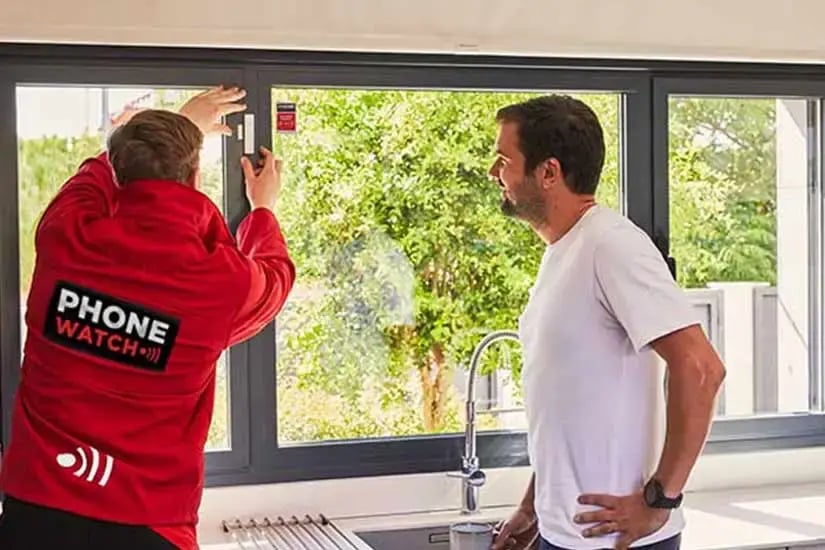
The practical steps above cover a lot of ground, but they rely on someone remembering to do them every night. Sensors add a layer that does not depend on memory.
A contact sensor detects when a window is opened or closed. A shock sensor responds to the vibration of an attempted forced entry, such as someone trying to force a frame or break glass. Together, window contact and shock sensors let you protect the openings that matter most while ventilating freely elsewhere.
Multi-zone protection makes this practical for a lived-in home. You can secure the parts of the house nobody is using overnight, the downstairs, the utility room, the back of the house, while people move freely upstairs. The system works around your routine rather than against it.
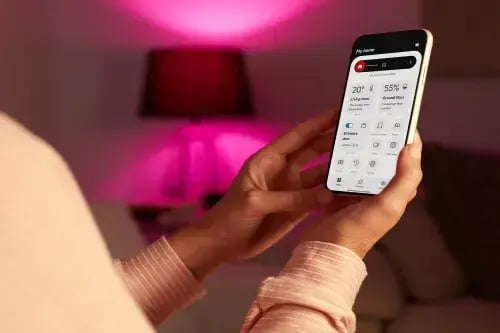
The PhoneWatch App shows whether a window has been left open before you set the alarm, so you do not have to walk the house to check. For a closer look at how contact and shock sensors work, see the guide on how window alarm sensors work.
Monitored Protection vs App Alerts: Why Verification Matters at 3 am
This is where the real distinction lies. A self-monitored system sends a notification to your phone. That's useful during the day, but at 3am it only helps if you're awake, your phone is within reach, you hear the alert, and you know what action to take. On a warm summer night, a notification can easily go unnoticed until morning.
A professionally monitored system doesn't rely on anyone in the household being awake. When an alarm is activated, the signal is sent directly to an Alarm Receiving Centre (ARC), where trained operators assess the situation and follow established response procedures. PhoneWatch's ARC responds to alarm activations in an average of 15 seconds, and every monitored system benefits from daily remote health checks to help ensure it is operating correctly.
The benefit is not simply receiving an alert. It's knowing that an activation is being reviewed and acted upon, even while you're asleep.
Ultimately, you shouldn't have to choose between keeping your home cool and keeping it secure. Good security habits can reduce risk, while 24/7 alarm monitoring provides an additional layer of protection, helping to ensure that alarm activations are verified and responded to while you sleep.
With more than 33 years of experience protecting Irish homes and over 120,000 customers nationwide, PhoneWatch understands the importance of overnight security. Learn more about 24/7 alarm monitoring and what happens when an alarm is triggered.
Frequently Asked Questions
Is it safe to sleep with the windows open in summer?
It can be, as long as you are deliberate about which windows. Upper-floor windows that cannot be reached from a flat roof, extension or garden feature are low risk, while ground-floor and easily climbed windows should be closed or fitted with a restrictor.
PhoneWatch systems use window contact and shock sensors, so protected openings are covered even while the household sleeps.
Which windows are most at risk of a break-in?
Ground-floor windows carry the most risk, along with any window reachable from a flat roof, single-storey extension, bin, wall or garden furniture. Windows at the back or side of a house, out of view from the road, are more attractive to an opportunist than ones facing a busy street.
PhoneWatch installers assess your home's entry points and position sensors where the risk actually sits.
Do burglaries happen while people are at home?
Yes. Break-ins can happen at any hour, and the long-standing peak period for residential burglary in Ireland is the evening, historically around 5 pm to 11 pm, when most households are at home.
PhoneWatch monitors homes 24/7, so protection does not depend on anyone in the house noticing something first.
Do window sensors still work if I leave a window open for ventilation?
Contact sensors detect when a window is opened or closed and shock sensors respond to the vibration of an attempted forced entry, so you can protect the openings that matter while ventilating elsewhere. Multi-zone settings let you secure the parts of the house nobody is using overnight.
The PhoneWatch App also shows whether a window has been left open before you set the alarm.
What is the difference between a monitored alarm and app alerts?
A self-monitored system sends a notification to your phone, which only helps if you are awake and able to act on it. A professionally monitored system sends the alert to an Alarm Receiving Centre, where trained operators verify it and contact emergency services if needed.
PhoneWatch alarms are connected to a 24/7 Alarm Receiving Centre with an average response time of 15 seconds.
What are the best summer home security tips for night-time?
Close or restrict accessible ground-floor windows before bed, ventilate through upper windows that cannot be climbed to, clear bins and garden furniture from beneath windows, and keep keys away from letterboxes and windows.
PhoneWatch adds a monitored layer on top of those habits, with sensors on the openings you choose to protect.